 Fawn birth (Late spring/early summer)
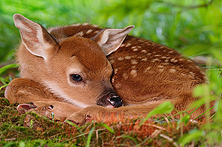
Most fawns are born by the last week in May — into the first week or two of June. There are always early-birds and late bloomers. The key here is the abundance of forage for does to consume and produce milk and ultimately — a healthy fawn.
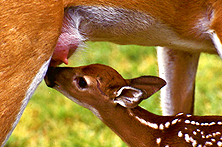 Fawn nursing (Summer)
Fawns begin nursing immediately and continue to nurse throughout the warmer months. Most fawns are completely weened by September. Every now and then you may notice a fawn during the fall trying to nurse, but adult does normally aren’t very receptive and the fawns are able to digest forage by September.
 Antler growth (Begins in early summer)
You can start seeing the beginnings of the racks by mid June. By the end of July it’s much easier to see what the buck will likely be (main frame 8-pointer, 10-pointer, etc.) by late August the rack is basically fully grown.
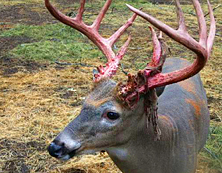 Shedding Velvet (Early fall)
Most velvet sheds in early September. In all the years I’ve hunted, photographed and filmed whitetails, it seems the antler shedding may begin as early as the last week of August, but the bulk occurs the first week of September. By mid September (normally opening day of bow season) the majority of bucks have shed their velvet. Every now and then you may see a buck with velvet but consider it fairly uncommon.
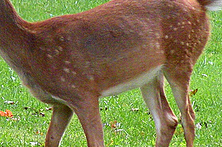 Losing spots/coat change
(Early Fall)
Most fawns shed their spots the first couple weeks into September. Adult deer are also transitioning from their orange-colored summer coats into their thicker, darker fall coats. The transition can occur anywhere from late August into early September. However by mid September most coat changes are complete.
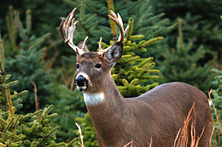 Bachelor group dispersal
(Late summer/very early fall)
Deer begin to get more independent in August. Most buck groups disband by the last week of August to first week of September.
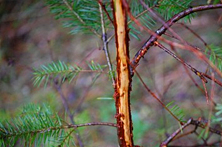
Deer Rubs (Fall)
Aside from velvet shedding rubs, the first rut-related rubs of the season begin to pop up around the 15th of October and increase into the end of the month. Rubs are continually made, visited and refreshed throughout November, with varying degree of activity due to rut phases and conditions.
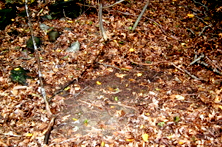 Deer Scrapes (Fall)
Typically linked in occurrence to rubs, these markers begin to pop up the last couple weeks in October and can increase in frequency into November. In the areas that I hunt in Northern Minnesota, I almost always find the season’s first rubs before I find scrapes.
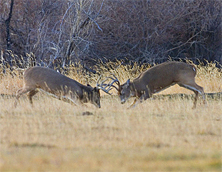 Main Deer Rut Phases (Late fall)
These can vary every year depending on different factors such as deer density, buck to doe ratio, weather, moon phase timing and hunting pressure but overall the days and occurrences are normally very close from season to season.
Seeking Phase
(Late October – early November)
Chasing Phase
(Early November – mid November)
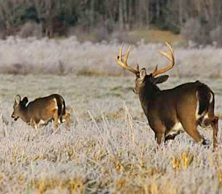 Breeding Phase
(Mid November – late November)
can even last into December, sometimes with a large deer heard and abundance of food, a second, less aggressive rut takes place. Often young does are bred during this time.
It’s also important to note here that when an adult doe reaches estrous, it lasts for around 36 hours while the entire breeding phase of the rut can last for many days given the fact that more than one doe enters estrous.
 Key back in on food sources
(Late November/into winter)
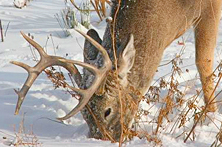
Can depend on region and weather. Normally deer focus heavily on food sources after the rut into winter and really hit the food hard after the first major drop in temperatures and/or first major snowfall. In northern Minnesota most deer begin to consistently focusing on food sources by the first two weeks of December. This behavior continues throughout winter, as food becomes the main drive. When it comes to late season hunting the way to a buck is through his stomach!
 Shed antlers (January/February)
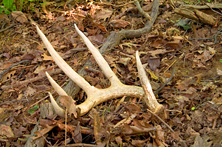
Can depend on climate and availability of food. Sometimes bucks lose their antlers as early as late December and I’ve even watched deer keep their headgear into late March. This is not common however and the majority of antlers are shed mid to late January into February.
Read Full Post »












 FML Outdoors.com
